Every cat is different
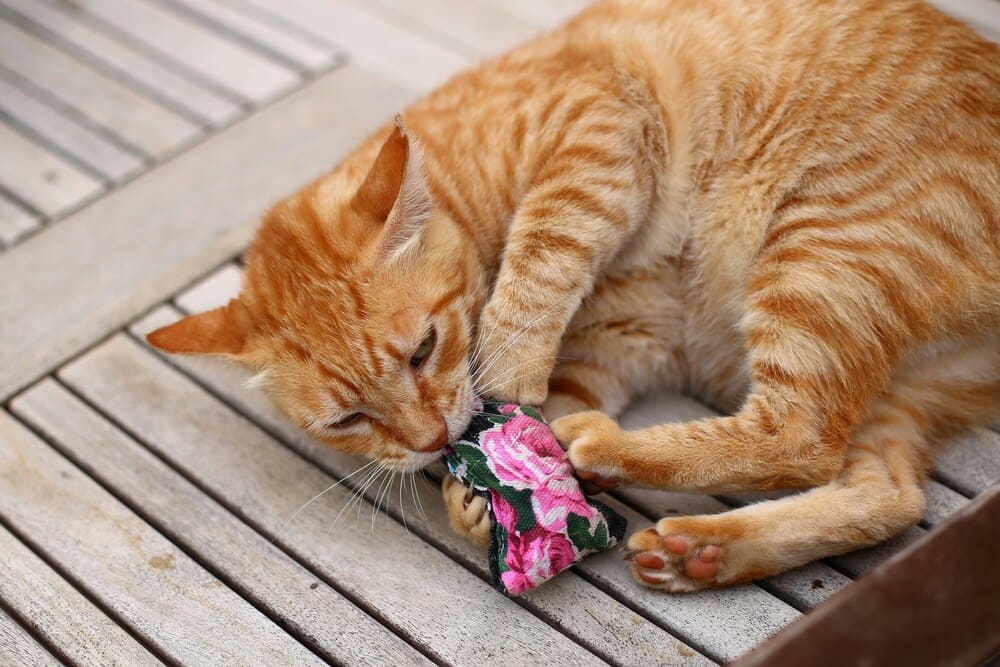
Some plants cause a brief euphoria in cats, making them excited and playful. Don’t worry: cats cannot become addicted to these plants.
There is no single “magic” plant that attracts every cat without exception. One cat may love catnip, while another may show little or no interest in it. So, it’s necessary to test and experiment.
Additionally, some cats prefer live plants, while others prefer dried ones. It sometimes takes time for a cat to take an interest in a particular plant. Patience is therefore key.
Finally, all these plants are considered safe only when cats chew on them without ingesting them.
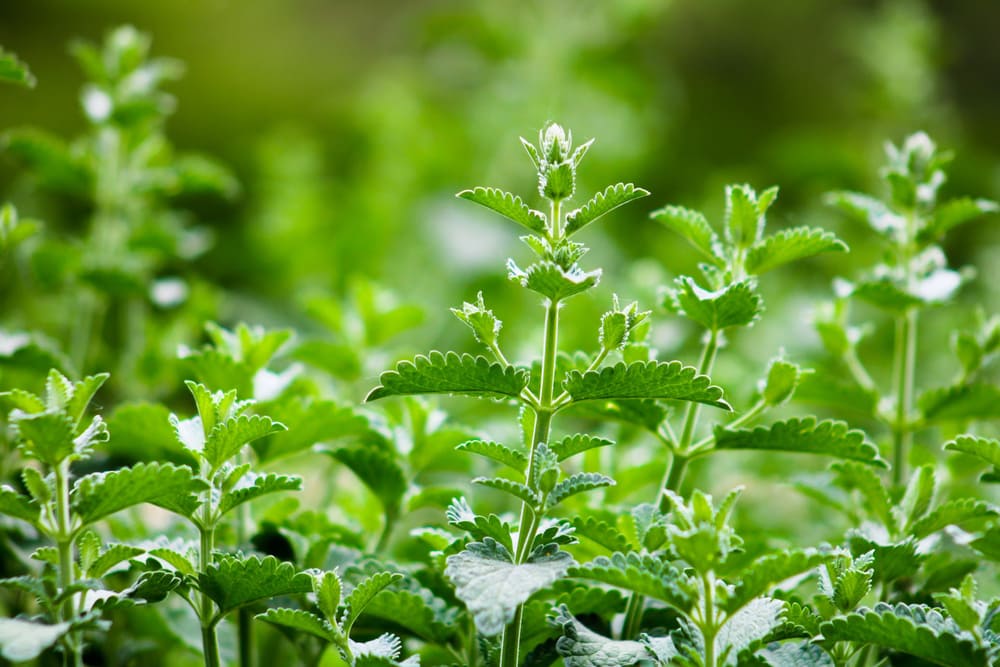
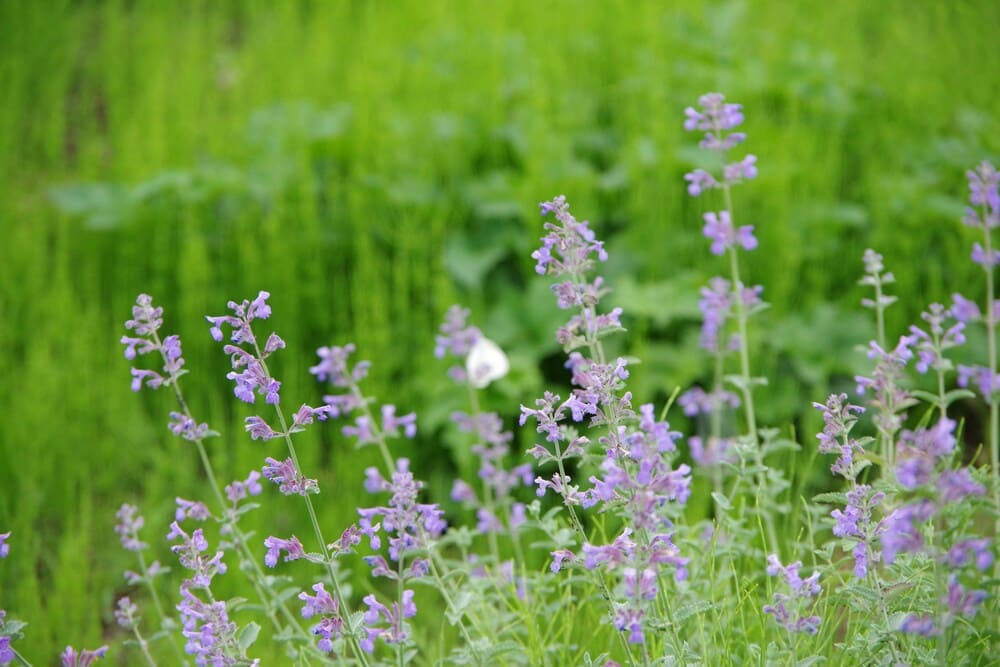
Nepeta cataria (Catnip)
All cat owners are, of course, familiar with catnip. This plant is widely available for purchase in dried form or as a spray.
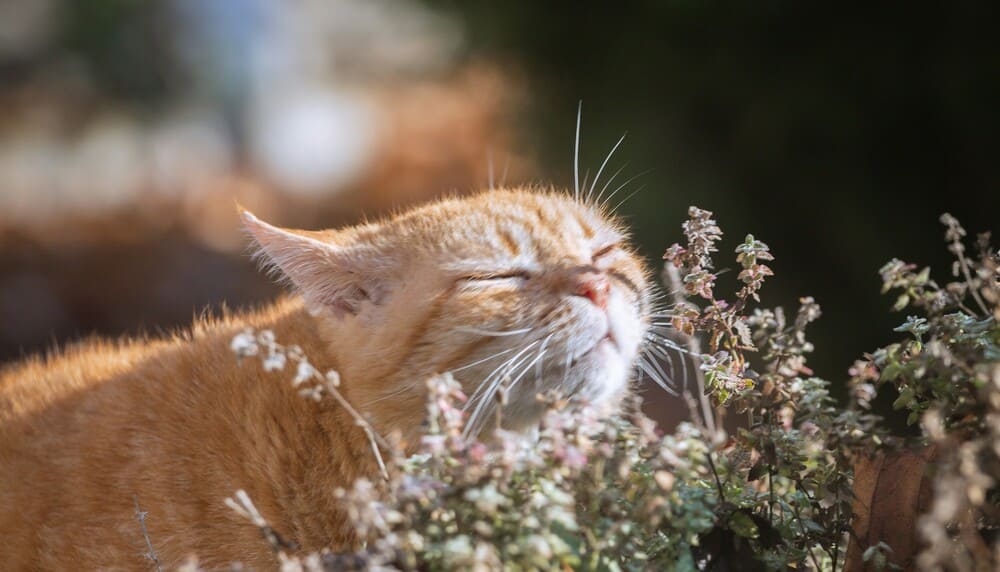
If you plant Nepeta cataria in your garden, your cat will have the opportunity to chew on its fresh leaves and roll around the plant.
Cats prefer Nepeta cataria to most other Nepeta varieties because it is rich in a chemical compound called “alpha-nepetalactone.” Popular cultivars and hybrids of Nepeta (Nepeta x faassenii) generally have low to moderate levels of alpha-nepetalactone.
Nepeta cataria is edible and can be consumed in small quantities, such as in herbal tea. This plant is a natural remedy for improving sleep quality and relieving digestive issues.
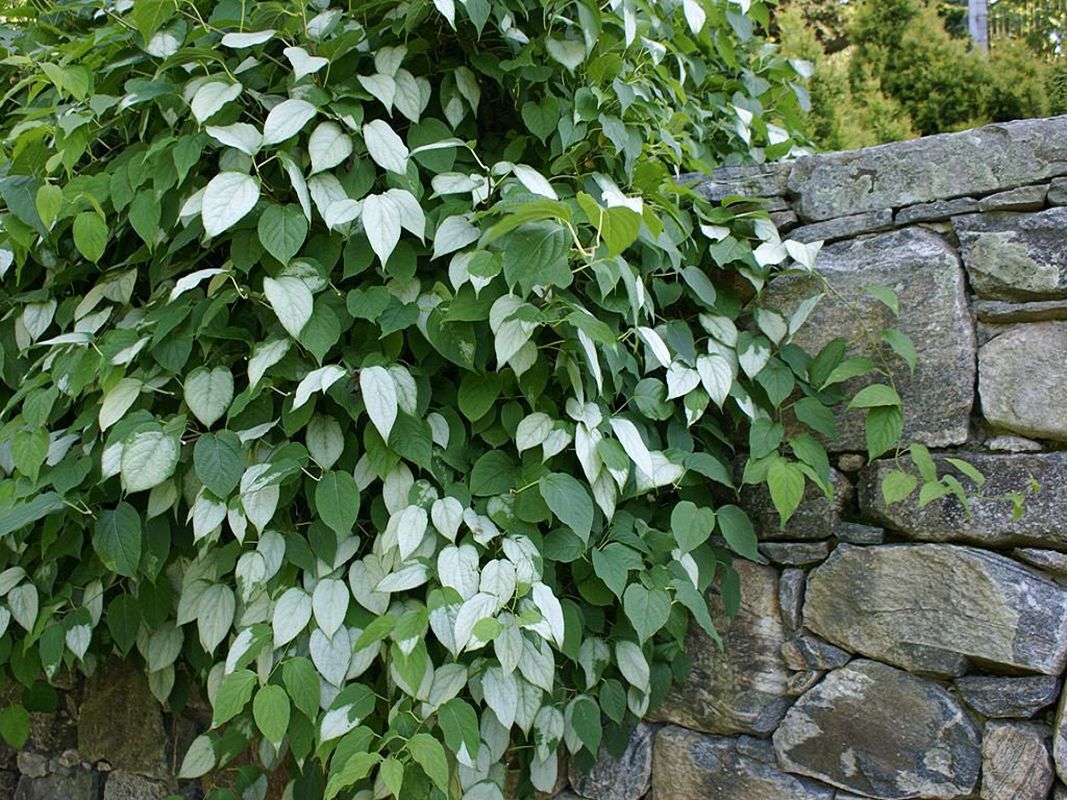
Actinidia polygama (Matatabi)
This species of kiwi, a climbing plant with green and silvery-white foliage, is highly appreciated by many cats.
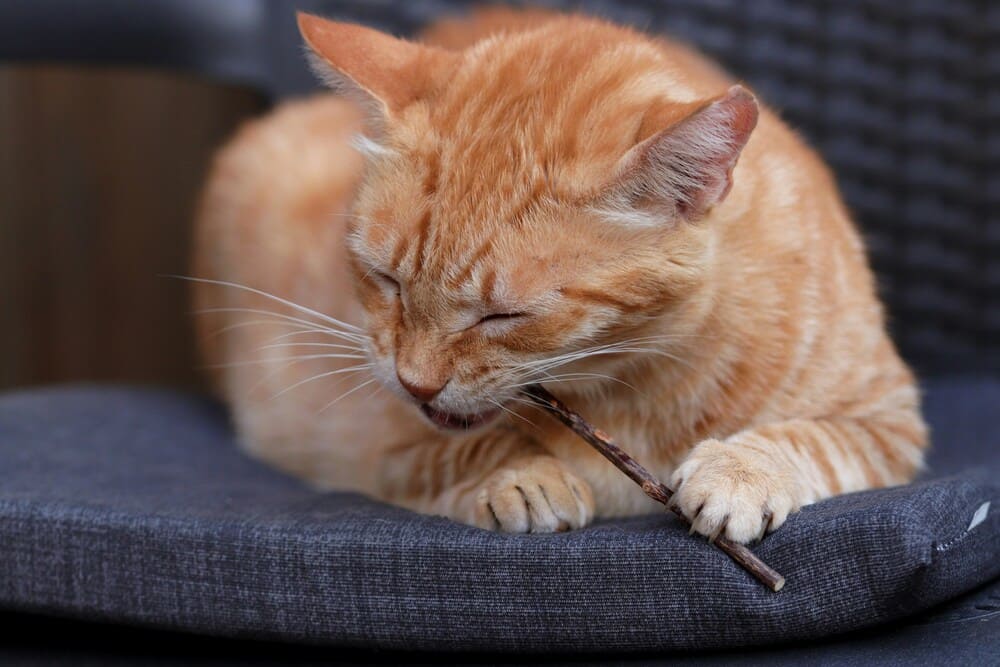
Matatabi sticks or powder made from young matatabi plants are an excellent choice to please your cat.
Actinidia polygama is rarely available for sale, perhaps because its fruit does not taste like traditional kiwis, but rather like a sweet pepper with a slightly spicy flavor.
Other kiwi species, such as Actinidia kolomikta, for example, can also attract cats to some extent.
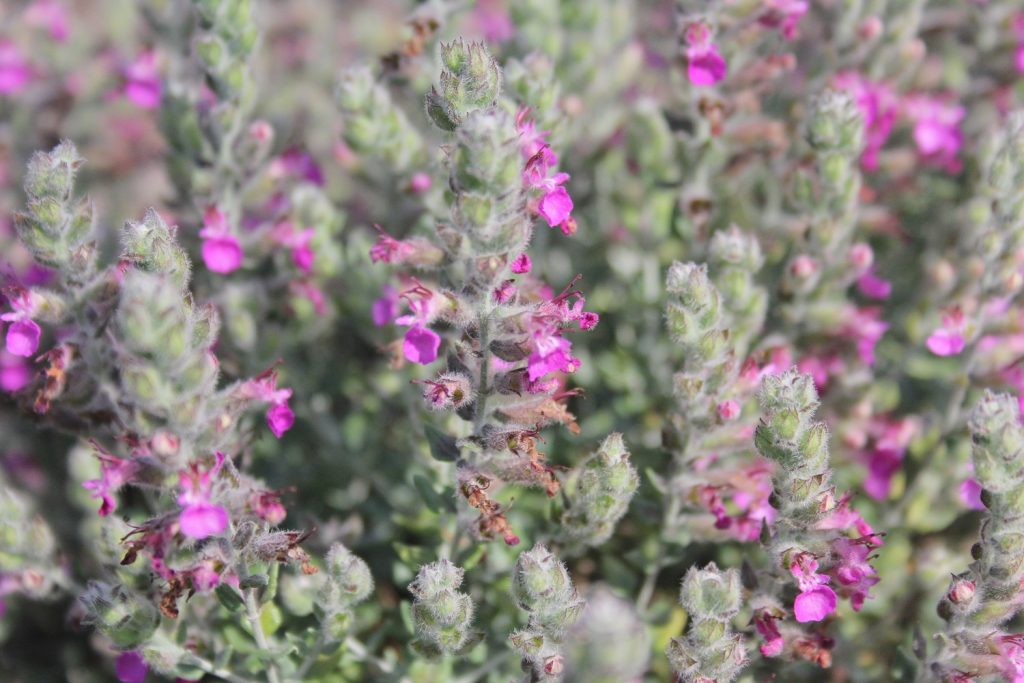
Teucrium marum (Cat thyme)
This beautiful plant with silvery evergreen foliage and pleasantly scented pink flowers is unknown to most cat owners.
Cat thyme grows very compactly and can be planted in a pot or a rock garden. Cats also like it in dried form, so cat thyme can be harvested in summer to let cats enjoy its scent during winter as well.
Cat thyme is not edible, but it is used in homeopathy.
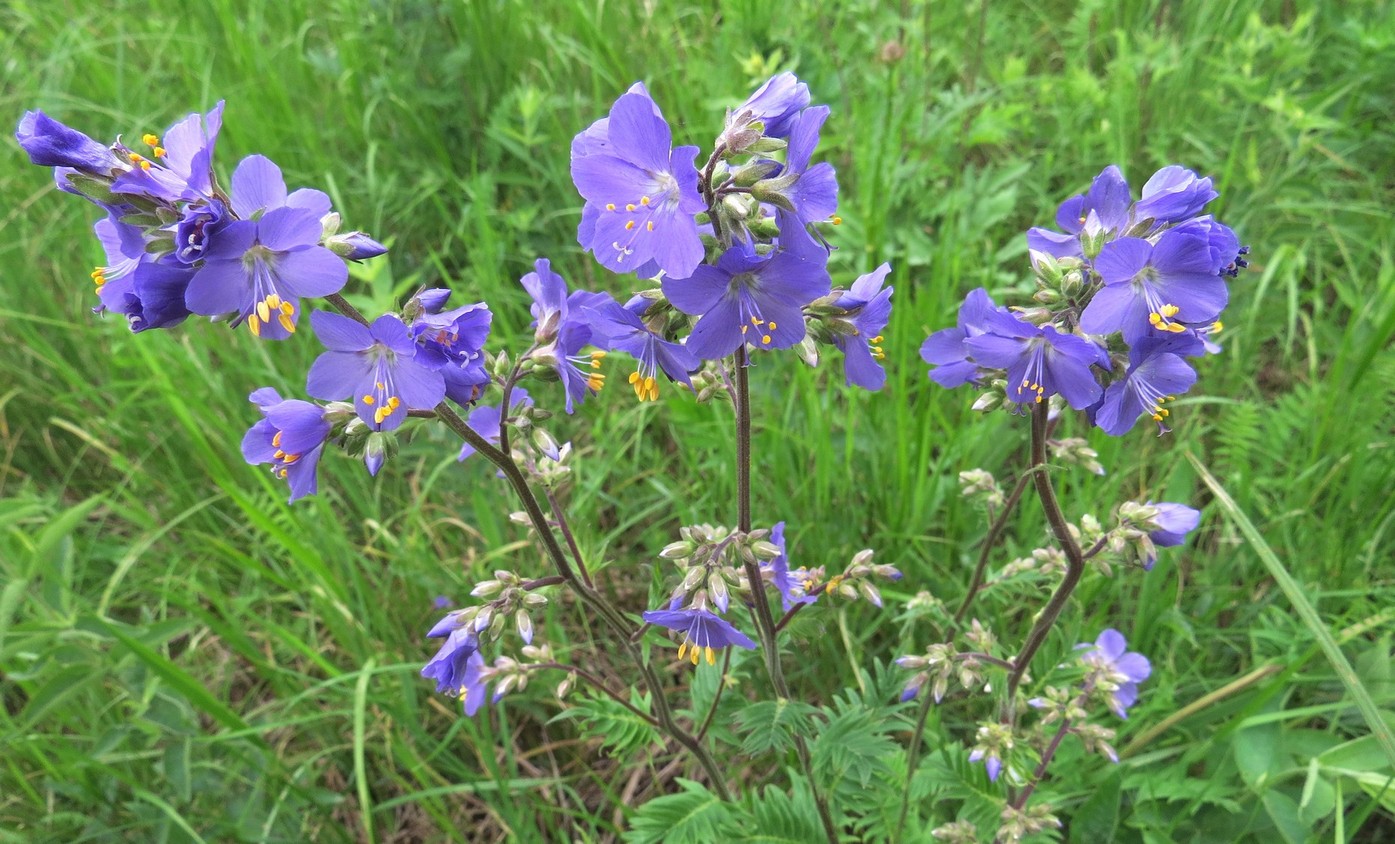
Polemonium spp. (Jacob’s ladder)
Polemonium is a short-lived perennial plant that gives off a distinctive scent that some cats find appealing.
The plant is considered edible (roots, young leaves) and has medicinal properties.
Most popular varieties: Polemonium caeruleum et Polemonium reptans (a creeping form).
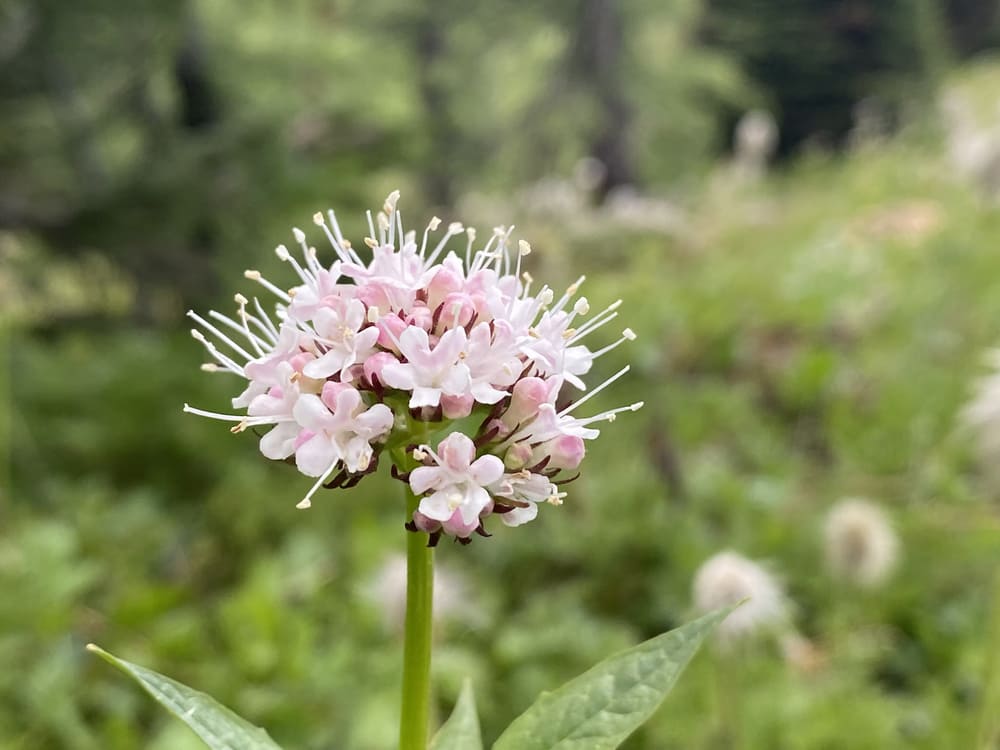
Valeriana officinalis (Valerian)
Valerian is a medicinal plant well known for its calming and relaxing properties. However, in some cats, valerian and in particular a dried valerian root, produces a euphoric effect similar to that of catnip.
The plant is easy to grow, but it grows quite tall and can even reach a height of 1.5 meters. In addition, valerian has a strong, rather unpleasant odor that most people do not appreciate.
It may be more convenient not to plant valerian in the garden, but simply to buy dried valerian root at a pharmacy.
*** Good to know: Tatarian honeysuckle (Lonicera tatarica), a bushy shrub with beautiful pink flowers, also attracts cats. However, only the dried or fresh stems are considered non-toxic. All other parts of the plant and especially the berries are (at least mildly) toxic to cats and humans.